
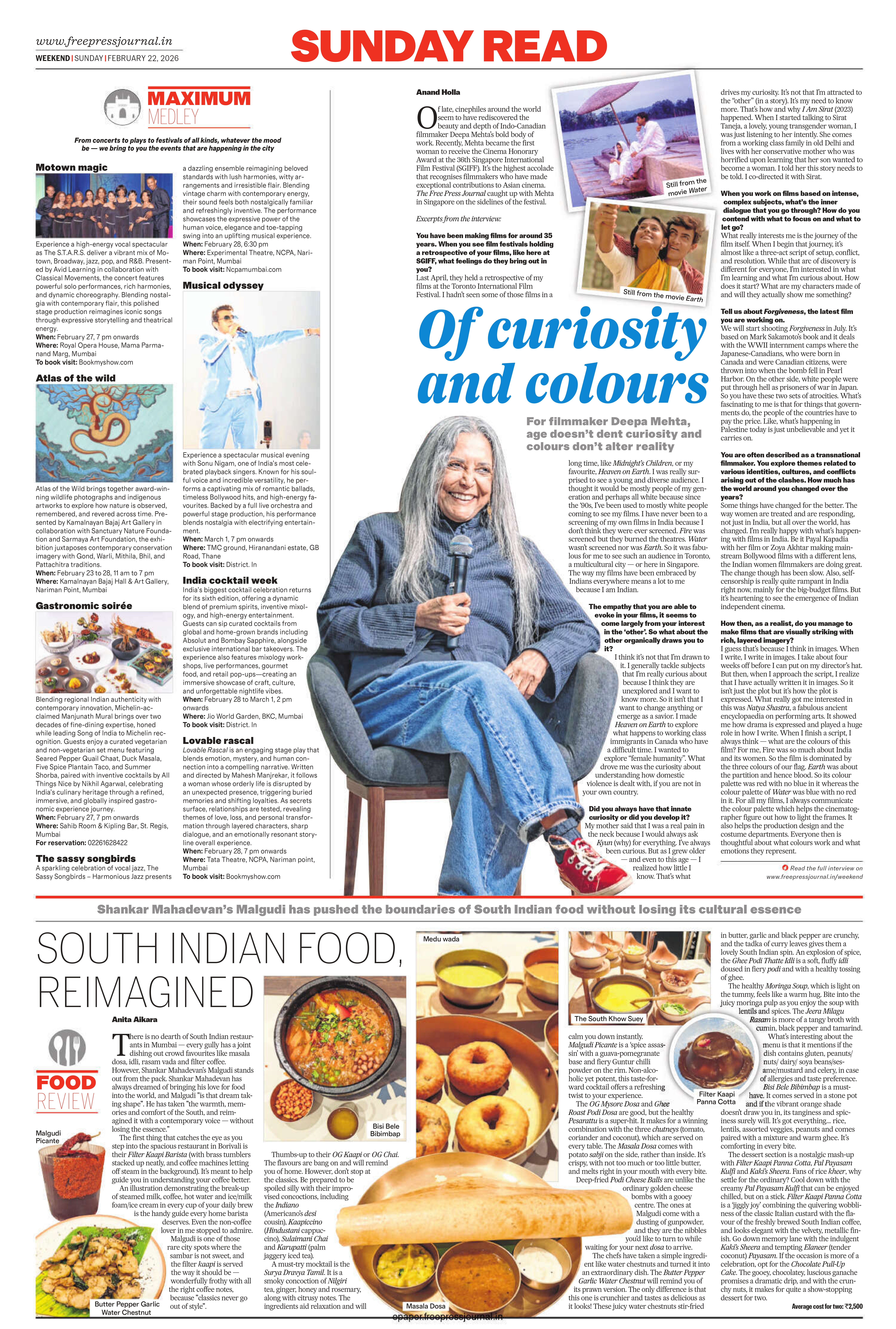
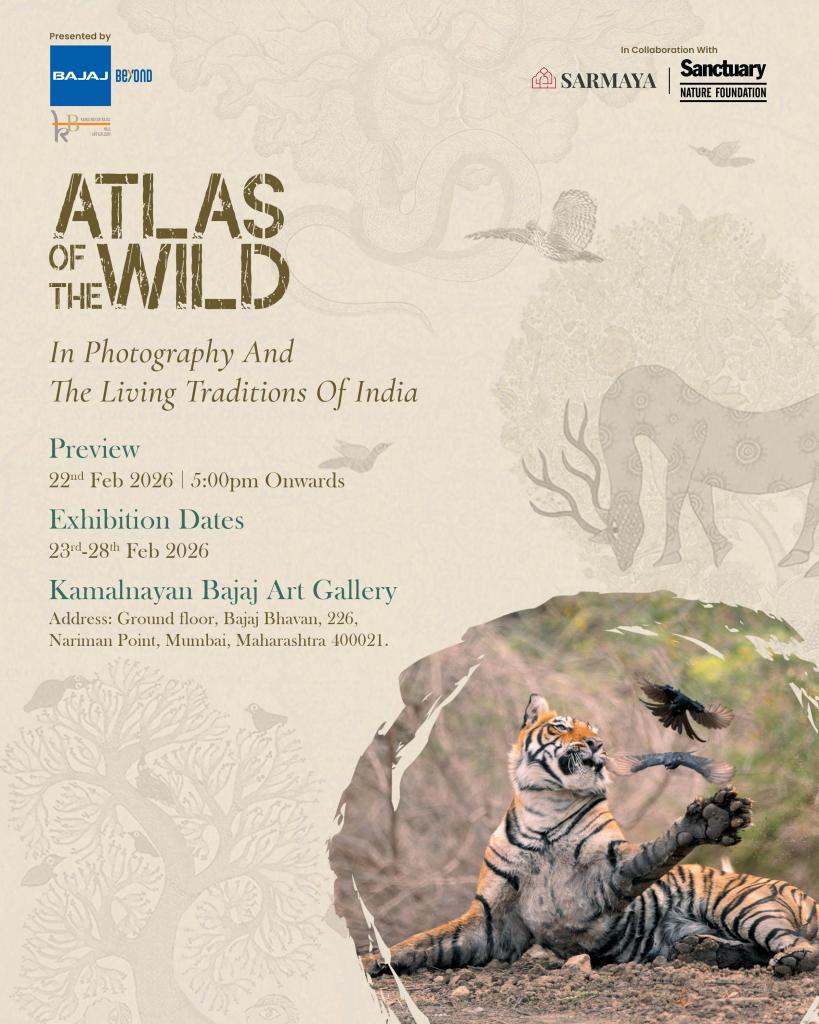
Across visual traditions, the natural world has been understood not merely as a subject of depiction, but as a field of knowledge shaped by observation, memory, and lived experience. Bringing together award-winning wildlife photography from Sanctuary Nature Foundation and indigenous and traditional artworks from the Sarmaya Art Foundation collection, this exhibition explores how ecosystems are recorded across time, as living, interdependent systems shaped by reciprocity and human presence.
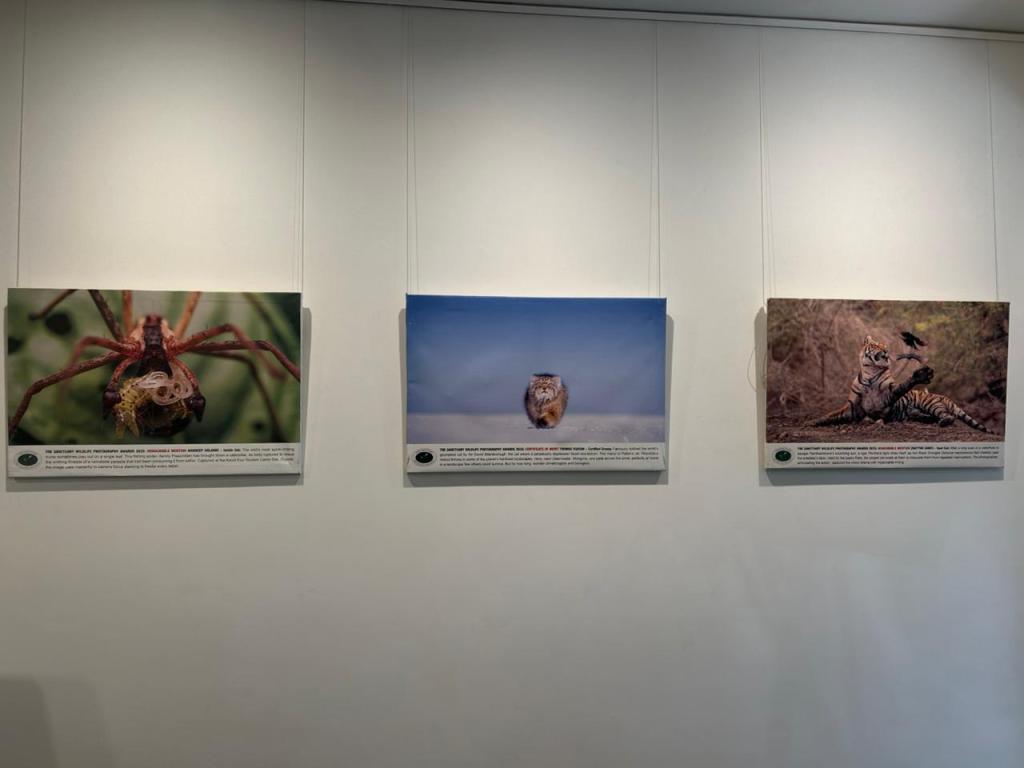
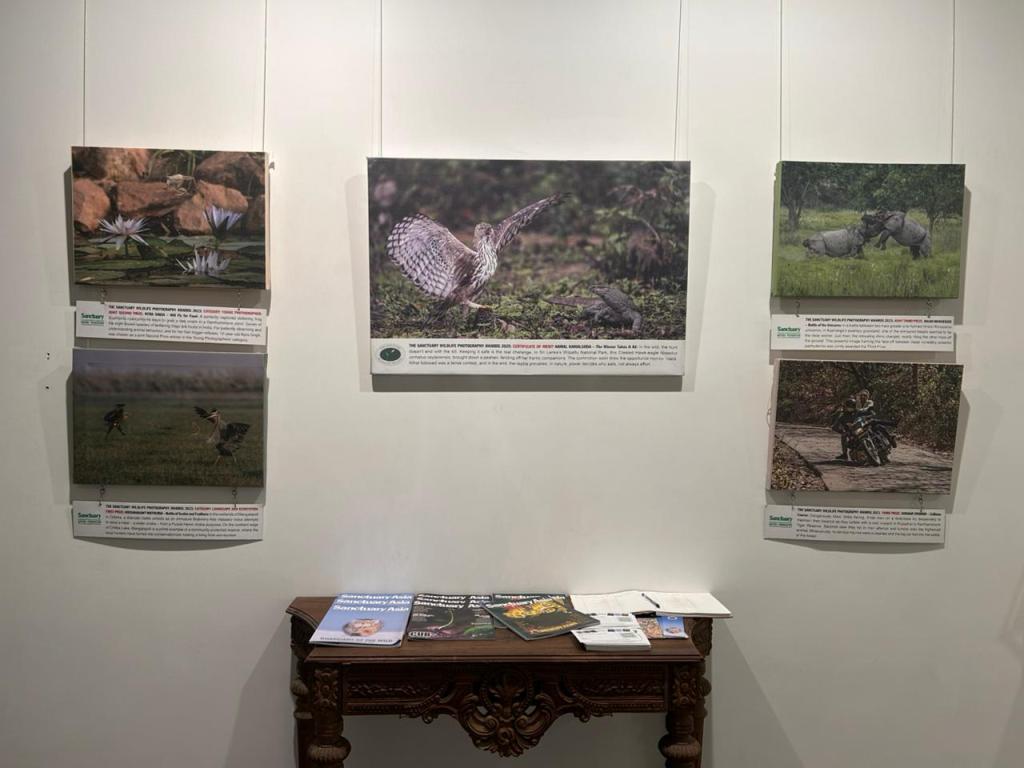
Modern wildlife photography in India has evolved from colonial-era staged imagery to an ethical and immersive practice that portrays animals within their habitats and ecological realities. For over two decades, the Sanctuary Wildlife Photography Awards have recognised photographers who document rare natural history moments, fragile habitats, and the increasing impact of climate change and human–wildlife interaction. These images position the camera as a vital tool for conservation, recording vulnerability, resilience, and urgent environmental change.
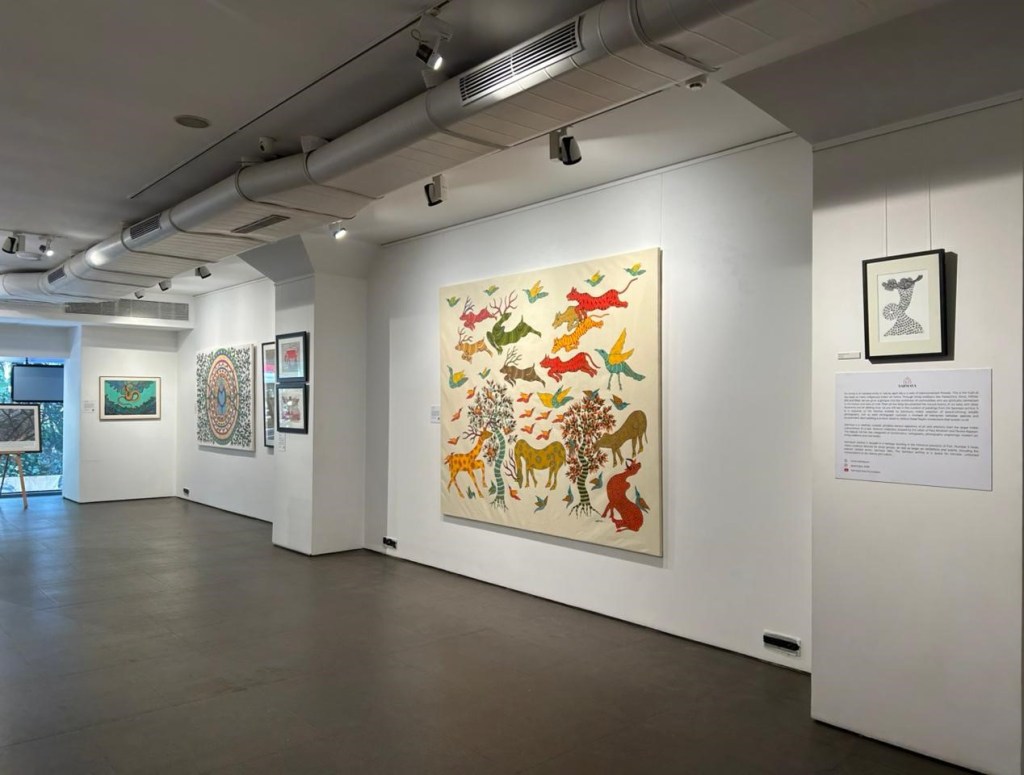
In dialogue with these works are living traditions of India including Gond, Warli, Mithila, Bhil, and Pattachitra. For generations, these communities have depicted forests, rivers, trees, animals, and human life as interconnected and sentient. Through cosmologies, rituals, and seasonal cycles, their works reflect reverence, ecological familiarity, and inherited knowledge, presenting nature as a dynamic and sustaining system.
This exhibition showcases our continued support in fostering dialogues around ecology and visual culture, reaffirming Kamalnayan Bajaj Art Gallery’s commitment to supporting wildlife conservation through meaningful artistic collaborations. By bringing together wildlife photography and the living traditions of India, we create a shared space where documentation intersects with inherited knowledge, and contemporary conservation dialogues engage with time-honoured cultural memory, strengthening collective awareness, responsibility, and care for the living world.
Filters of Time and Derivation Ed. 01




- Overview
-
Across visual traditions, the natural world has been understood not merely as a subject of depiction, but as a field of knowledge shaped by observation, memory, and lived experience. Bringing together award-winning wildlife photography from Sanctuary Nature Foundation and indigenous and traditional artworks from the Sarmaya Art Foundation collection, this exhibition explores how ecosystems are recorded across time, as living, interdependent systems shaped by reciprocity and human presence.
Modern wildlife photography in India has evolved from colonial-era staged imagery to an ethical and immersive practice that portrays animals within their habitats and ecological realities. For over two decades, the Sanctuary Wildlife Photography Awards have recognised photographers who document rare natural history moments, fragile habitats, and the increasing impact of climate change and human–wildlife interaction. These images position the camera as a vital tool for conservation, recording vulnerability, resilience, and urgent environmental change.
In dialogue with these works are living traditions of India including Gond, Warli, Mithila, Bhil, and Pattachitra. For generations, these communities have depicted forests, rivers, trees, animals, and human life as interconnected and sentient. Through cosmologies, rituals, and seasonal cycles, their works reflect reverence, ecological familiarity, and inherited knowledge, presenting nature as a dynamic and sustaining system.
This exhibition showcases our continued support in fostering dialogues around ecology and visual culture, reaffirming Kamalnayan Bajaj Art Gallery’s commitment to supporting wildlife conservation through meaningful artistic collaborations. By bringing together wildlife photography and the living traditions of India, we create a shared space where documentation intersects with inherited knowledge, and contemporary conservation dialogues engage with time-honoured cultural memory, strengthening collective awareness, responsibility, and care for the living world.
- Installation Photos
-
Filters of Time and Derivation Ed. 01
- Catalogue
-
- Press
- Events