

The exhibition presents the artworks of artists Prachi Mayekar and Pooja Shinde whose practices, as formally different as they are, meet at the intersections of place, impermanence, and the traces of change—both internal and external. Presenting themselves under the rubric of “Terrains in Transition,” the exhibition explores the fluid interactions between objects, environments, and memory.
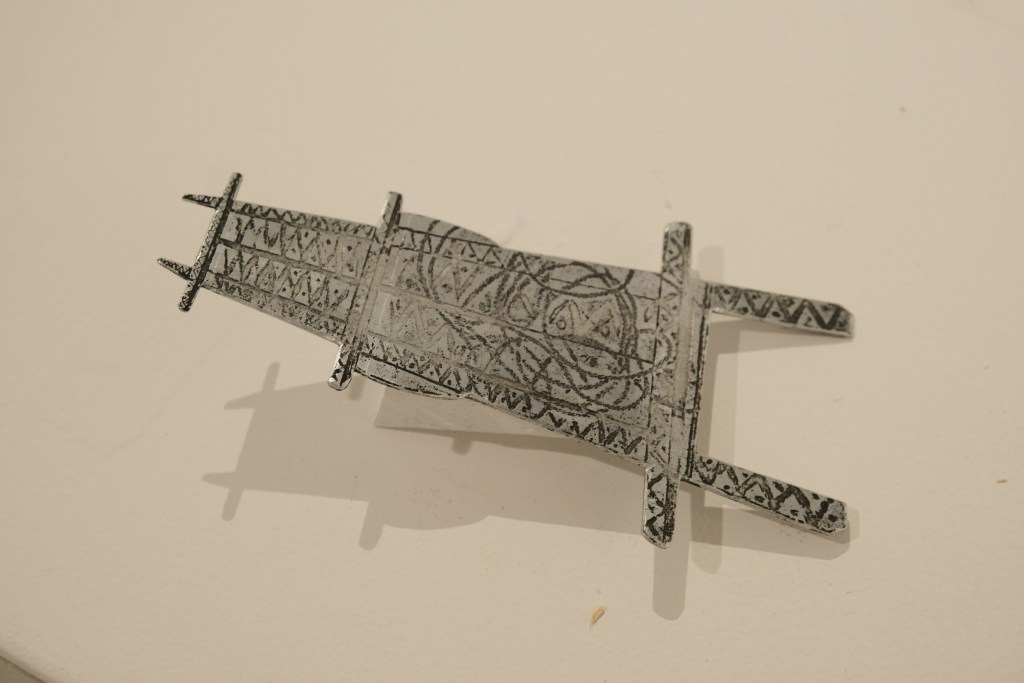
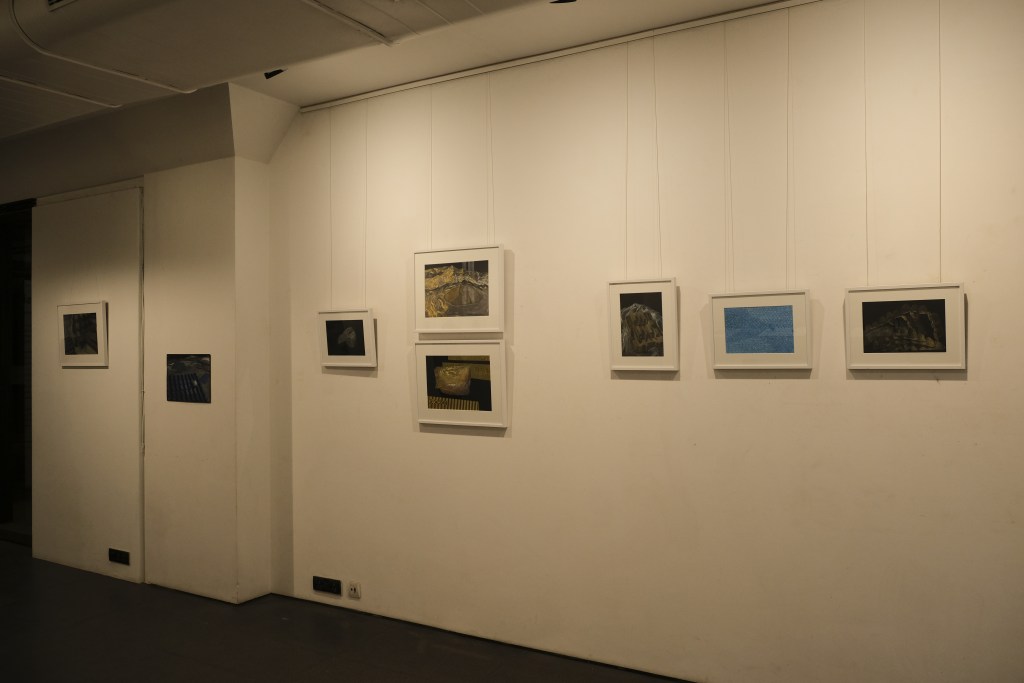
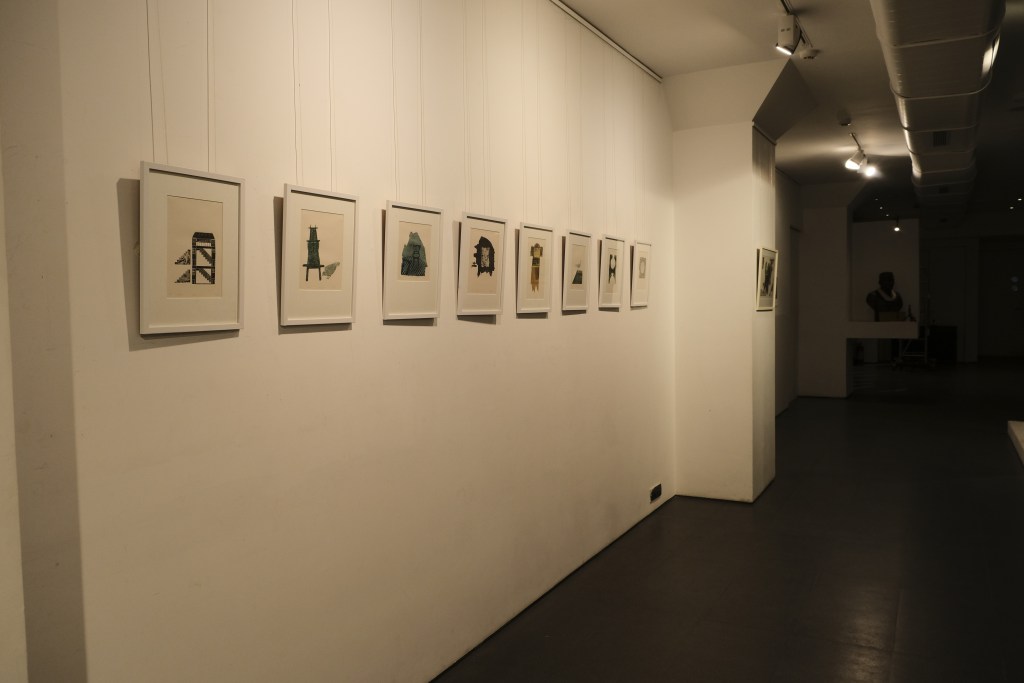
Terrains in Transition navigates physical and affective landscapes constantly in motion—built, worn away, lived, and remembered. Throughout the exhibition, terrain is a place where function and feeling converge, where areas change under the force of time, usage, and imperceptible drift. The works consider how shapes—whether built, domestic, or symbolic—evolve in significance and substance over time. Staged assemblages composed of mundane packaging, domestic detritus, and manufactured objects resonate with the developments of the city and standardization, and call attention to how we remake our worlds to reflect regimes of control, containment, or comfort. Fragile etchings of weathered facades and neglected corners provide a counterpoint—subtle observations of time’s inscriptions, asking viewers to attend to the poetic details that are lost in the rush of everyday life.
Collectively, these texts invite us to consider how we negotiate and change space—not only physically, but also emotionally and culturally. Ground here is not fixed earth but an inscribed history of presence, memory, and change. Every surface, every structure, every object becomes an actor in a larger story—a one influenced by impermanence, accommodation, and the invisible rites of everyday life.
“Terrains in Transition” is not a resolution but an offer of residence: within the passing, within the bypassed, within the banal made uncommon—between control and breakdown, between here and there.
Nachiket Prakash
Terrains in Transition




No Press
No Events
- Overview
-
The exhibition presents the artworks of artists Prachi Mayekar and Pooja Shinde whose practices, as formally different as they are, meet at the intersections of place, impermanence, and the traces of change—both internal and external. Presenting themselves under the rubric of “Terrains in Transition,” the exhibition explores the fluid interactions between objects, environments, and memory.
Terrains in Transition navigates physical and affective landscapes constantly in motion—built, worn away, lived, and remembered. Throughout the exhibition, terrain is a place where function and feeling converge, where areas change under the force of time, usage, and imperceptible drift. The works consider how shapes—whether built, domestic, or symbolic—evolve in significance and substance over time. Staged assemblages composed of mundane packaging, domestic detritus, and manufactured objects resonate with the developments of the city and standardization, and call attention to how we remake our worlds to reflect regimes of control, containment, or comfort. Fragile etchings of weathered facades and neglected corners provide a counterpoint—subtle observations of time’s inscriptions, asking viewers to attend to the poetic details that are lost in the rush of everyday life.
Collectively, these texts invite us to consider how we negotiate and change space—not only physically, but also emotionally and culturally. Ground here is not fixed earth but an inscribed history of presence, memory, and change. Every surface, every structure, every object becomes an actor in a larger story—a one influenced by impermanence, accommodation, and the invisible rites of everyday life.
“Terrains in Transition” is not a resolution but an offer of residence: within the passing, within the bypassed, within the banal made uncommon—between control and breakdown, between here and there.
Nachiket Prakash
- Installation Photos
-
Terrains in Transition
- Catalogue
-
- Press
-
No Press
- Events
-
No Events